
Key Takeaways
- Social lenders evaluate CICs based on trading track record, cash flow, community benefit, and strong leadership.
- Most initial social loans for CICs range from £25,000 to £150,000, typically repaid over three to five years.
- The entire loan application and approval process usually spans two to four months, so plan accordingly.
- Preparing your financial records, impact reporting, and governance documents well in advance is crucial.
For UK Community Interest Companies (CICs), securing funding can often feel like a juggling act. While grants are invaluable, they're not always sufficient or ideally suited for revenue-generating activities that require upfront capital. This is where social investment, particularly repayable loans, comes into its own. Social investment offers a different pathway, allowing CICs to access capital to grow their mission-driven businesses, expand their services, or acquire assets, with the understanding that the money will be paid back over time.
But what exactly does 'getting loan-ready' mean for a CIC? It involves more than just having a buena idea. Social lenders, like traditional banks, assess financial viability, but they also place a significant emphasis on your social impact and robust governance. This article will demystify the process, explain what social lenders look for, and provide a clear roadmap for preparing your CIC for a successful loan application.
Understanding Social Investment for CICs
Social investment is essentially capital provided to organisations with the explicit expectation of generating both a social and a financial return. For CICs, this aligns perfectly with their dual mandate: to deliver community benefit while operating as commercially viable entities. Unlike grants, which are given without the expectation of repayment, social investment requires you to return the capital, often with interest. This enables social lenders to recycle funds, supporting more organisations over time.
The types of social investment are varied, but for most first-time CIC applicants, a repayable loan is the most common and accessible form. These loans are typically unsecured or secured against specific assets, and the interest rates are often more competitive than commercial loans, reflecting the social mission of the borrower. Lenders in this space understand the unique challenges and opportunities faced by social enterprises.
What Social Lenders Look For
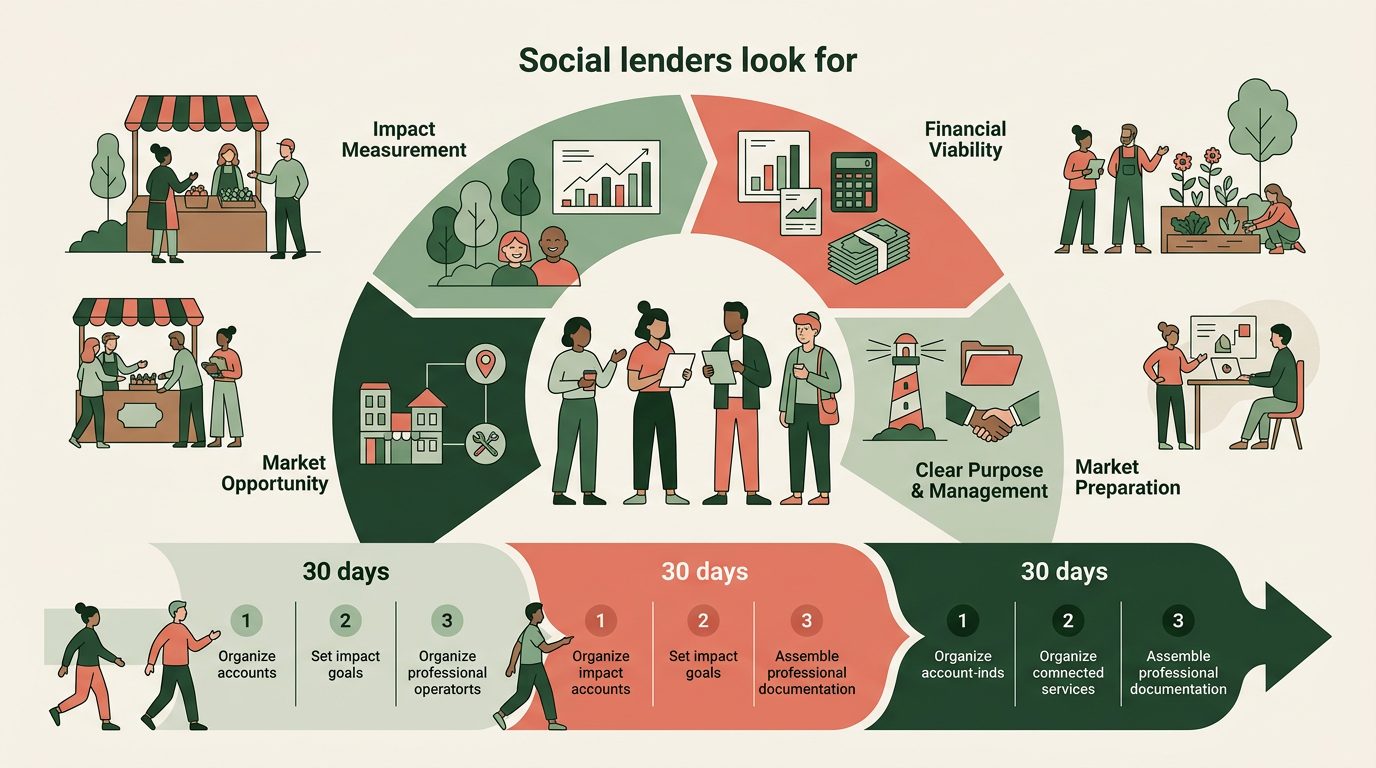
Social lenders are inherently purpose-driven themselves, but they are also prudent financial institutions. They need to ensure that the money they lend will be repaid, allowing them to continue their work. Here are the core pillars they assess:
1. Trading Track Record and Financial Health
This is fundamental. Lenders need to see evidence that your CIC can generate revenue and manage its finances effectively. They will scrutinise your historical financial performance, looking for consistency, growth, and profitability (or at least breaking even, for some models). This includes:
- Past accounts: Typically, two to three years of audited or independently examined accounts.
- Management accounts: Up-to-date monthly or quarterly management accounts showing current performance.
- Cash flow forecasts: Detailed projections demonstrating your ability to generate enough cash to cover loan repayments. This is paramount.
- Robust financial controls: Evidence of good bookkeeping, clear financial policies, and proper oversight.
2. Community Benefit and Impact
Your social mission is what sets you apart. Lenders want to understand the problem your CIC is addressing, how your activities create positive change, and how you measure that impact. Be prepared to articulate:
- Your mission and values: How they drive your day-to-day operations.
- Target beneficiaries: Who you serve and the specific needs you meet.
- Impact measurement: The metrics you use and the data you collect to demonstrate your social return. Consistent reporting is key.
- Additionality: Why your intervention is needed and how it complements or fills gaps, rather than duplicating existing services.
3. Strong Leadership and Governance
People are as important as pounds. Lenders invest in teams they trust and structures that ensure accountability. They will assess:
- The management team: Their experience, skills, and commitment to both the social mission and financial sustainability. Do they have a clear vision?
- Board of Directors: A diverse, engaged, and skilled board that provides strategic oversight and challenges the executive team appropriately.
- Legal structure and governing documents: Ensure your CIC structure is well-defined and your Articles of Association align with your mission and legal requirements.
- Risk management: Your approach to identifying, assessing, and mitigating operational, financial, and reputational risks.
4. Clear Business Plan and Use of Funds
Lenders want to understand precisely how the loan will be used and how it will contribute to both your financial sustainability and social impact. Your business plan should clearly demonstrate:
- Your market: Who are your customers/clients, and what is your value proposition?
- Operational strategy: How will you deliver your services or products efficiently?
- Growth projections: Realistic and well-substantiated plans for expansion or scaling.
- Repayment strategy: A credible plan for how the loan will be repaid, linked directly to increased revenue or operational efficiency resulting from the investment.
“A well-prepared CIC demonstrates not just financial acumen, but a deep understanding of its social purpose and a clear pathway to achieving it. Lenders are looking for purpose-driven businesses that are also sound investments.” — Social lending expert
The Loan Application Process and Timeline
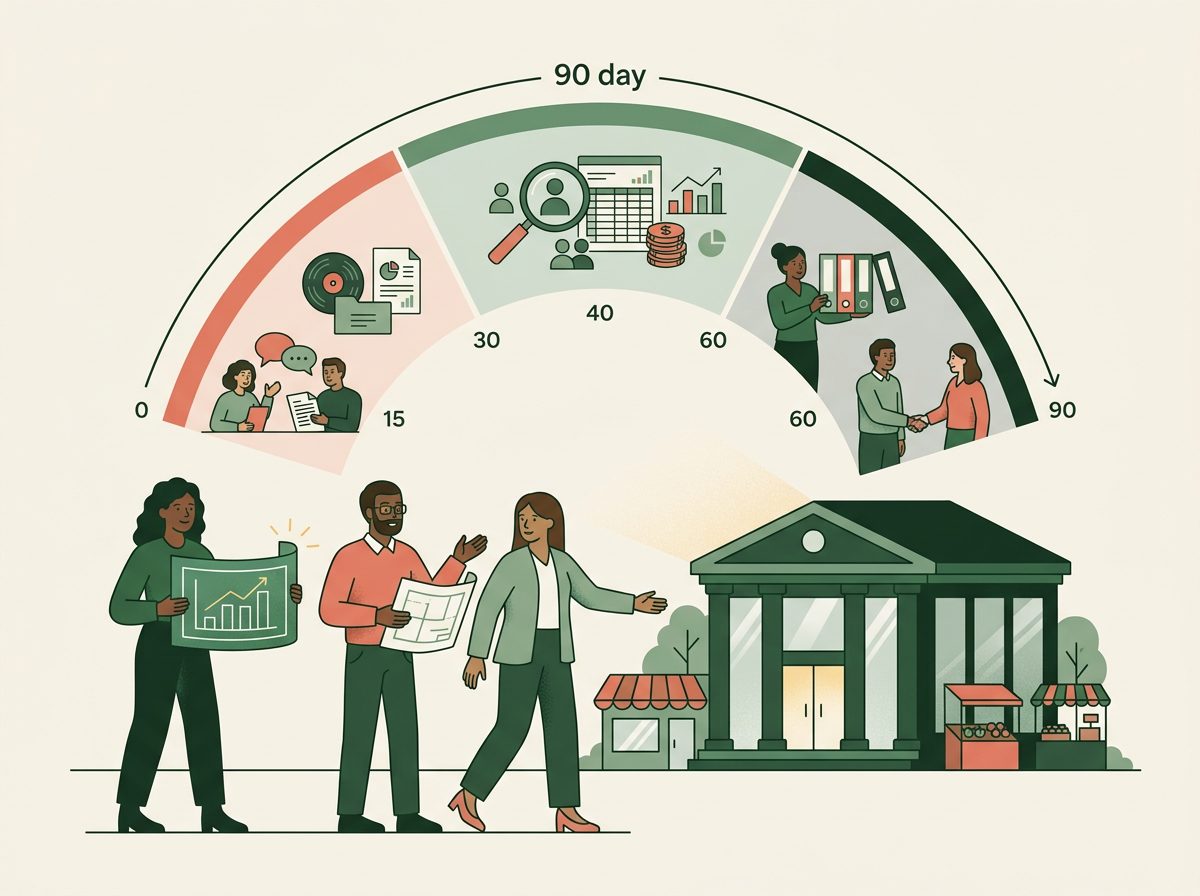
While specific timelines can vary, a typical social loan application, from initial enquiry to funds being disbursed, usually takes two to four months. This requires patience and proactive engagement on your part.
Here's a simplified overview:
- Initial Enquiry: Contact potential lenders, often through online forms or a brief conversation.
- Expression of Interest / Eligibility Check: Provide initial information about your CIC, its mission, and financial needs.
- Application Submission: Complete a detailed application form, submitting all requested documentation.
- Due Diligence: The lender will conduct thorough checks, which may include interviews, site visits, and requests for additional information.
- Credit Committee Review: Your application is presented to the lender's credit committee for a decision.
- Offer and Legal Work: If approved, you receive a formal offer letter and legal agreements are drawn up.
- Funds Disbursement: Once legal agreements are signed, the funds are transferred.
| Typical Loan Amount | Repayment Term | Typical Interest Rate |
|---|---|---|
| £25,000 - £150,000 (first loan) | 3 - 5 years | 5% - 10% (variable by lender and risk) |
| Larger loans available for seasoned CICs | Up to 10 years | Negotiable based on security |
Next steps
Securing social investment can be a transformative step for your CIC, enabling you to scale your impact and build a more sustainable future. By understanding what social lenders are looking for and meticulously preparing your organisation, you significantly increase your chances of success. Start early, gather your documents, and be ready to tell your story with both passion and precision.