
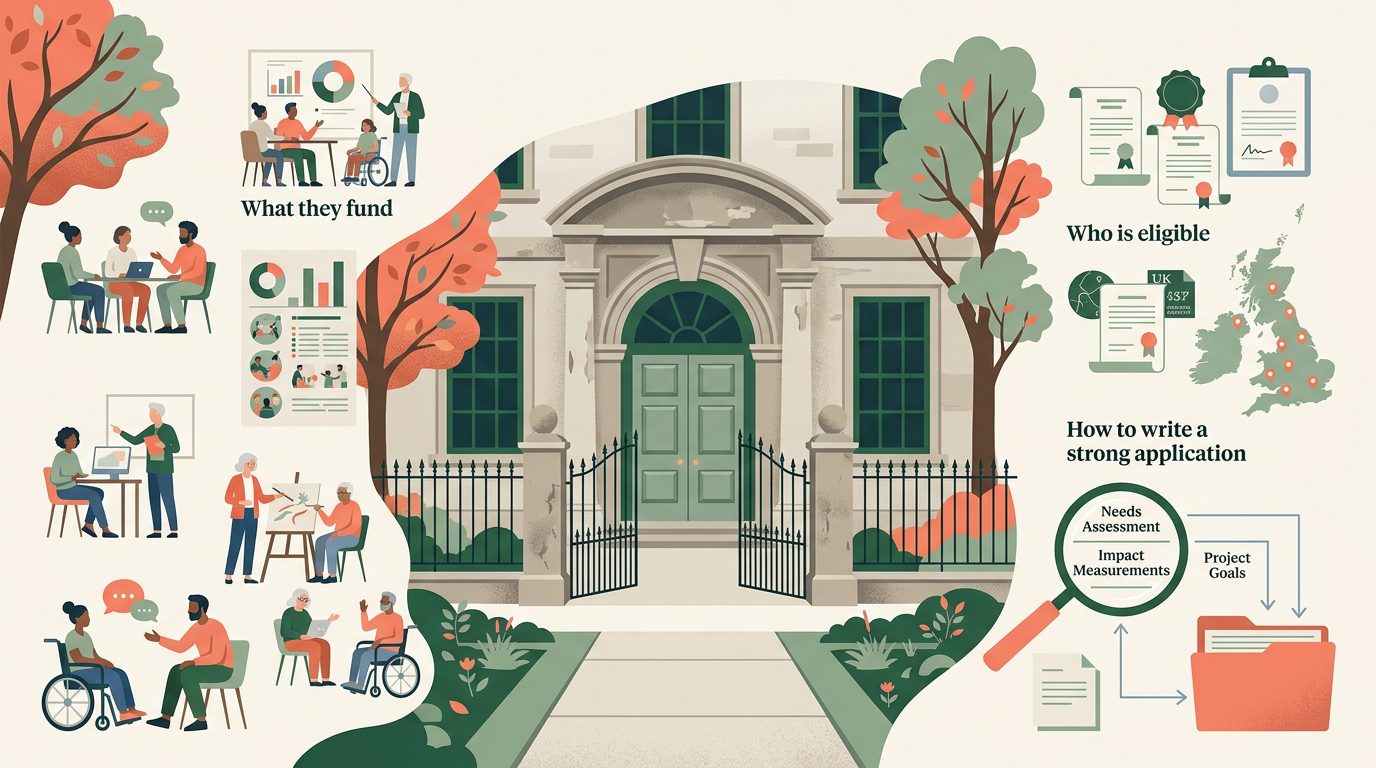
Navigating the Henry Smith Charity: A Comprehensive Funding Guide for UK Charities
The Henry Smith Charity stands as a stalwart supporter of charitable work across the UK, providing vital funding to organisations addressing significant disadvantage. With a history stretching back over 350 years, they’ve adapted their focus to meet contemporary needs, becoming a cornerstone for many small to medium-sized charities. This guide delves deep into their funding priorities, eligibility criteria, and offers practical advice for crafting a compelling application, ensuring your charity is well-positioned to secure their support.
Understanding Henry Smith is key to a successful application. They’re not looking for novel concepts just for the sake of it, but rather for well-run, impactful, and sustainable services that genuinely improve lives and strengthen communities. Their approach is considered, thorough, and rooted in a desire to invest in organisations that deliver tangible results.
"The Henry Smith Charity is one of the most respected funders in the UK. Their commitment to long-term impact and their support for core costs make them invaluable to charities striving to create lasting change."
Key Takeaways
- Henry Smith Charity focuses on alleviating significant disadvantage in communities across the UK.
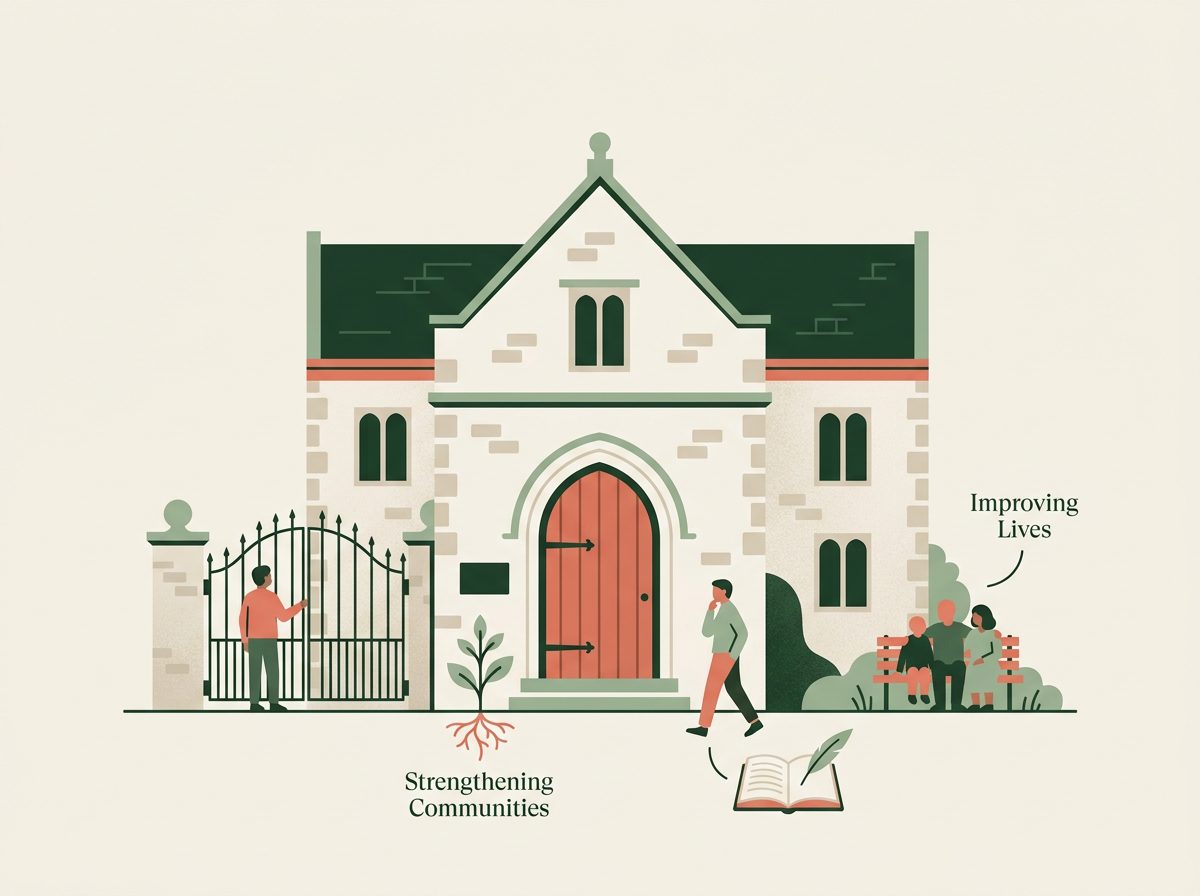
- Their main programmes are 'Strengthening Communities' and 'Improving Lives'.
- They typically offer grants of £20,000 to £60,000 per year over three years.
- Robust evidence of need, strong organisational leadership, and clear impact are crucial for success.
- Thorough financial planning and clear articulation of how funds will be used are essential.
What the Henry Smith Charity Funds: Programmes and Priorities
The Henry Smith Charity primarily operates through two main programmes, each with specific objectives and target beneficiaries. While they do have other smaller, more specific grants, these two represent the bulk of their funding activities and are where most charities will find alignment.
Strengthening Communities
This programme is designed to support grassroots organisations working at the heart of their communities. The focus here is on improving community cohesion, empowering local people, and addressing locally identified needs. They are particularly interested in initiatives that foster social inclusion, reduce isolation, and build community capacity.
Examples of activities funded:
- Community centres acting as hubs for local services.
- Projects supporting volunteers and local leaders.
- Initiatives addressing rural isolation.
- Programmes promoting intergenerational activities.
- Support for community development workers.
They look for organisations deeply embedded within the community they serve, with a clear understanding of local challenges and opportunities. Evidence of strong local partnerships and a track record of delivering community-led solutions are highly valued.
Improving Lives
The 'Improving Lives' programme targets charities that provide direct services to people experiencing various forms of disadvantage. The aim is to help individuals overcome significant obstacles and lead more fulfilling lives. This programme covers a broad spectrum of social issues.
Beneficiary groups often include:
- People experiencing homelessness.
- Individuals affected by domestic abuse.
- Those with long-term health conditions or disabilities.
- People facing significant poverty or debt.
- Carers.
- Offenders and ex-offenders.
- Young people at risk.
For 'Improving Lives', the charity seeks organisations that offer direct, impactful interventions, such as advice, advocacy, therapeutic support, practical assistance, or training. They evaluate the sustainability of your service and its ability to create lasting positive change for the individuals it supports.
Eligibility Criteria: Who Can Apply?
The Henry Smith Charity has clear eligibility criteria that applicants must meet before even considering an application. These are standard for many larger funders, but it’s crucial to check them thoroughly.
General Eligibility:
| Criterion | Description |
|---|---|
| Legal Status | Must be a registered charity, Charitable Incorporated Organisation (CIO), or Community Interest Company (CIC) with an asset lock preventing private profit. |
| Location | Operating within the United Kingdom. |
| Income | Typically between £20,000 and £500,000 per annum for most programmes. They will consider larger organisations for specific projects, but their sweet spot is often smaller to medium-sized charities. |
| Track Record | Generally requires at least two years of audited or independently examined accounts. |
| Purpose | A clear charitable purpose aligned with their funding priorities, focused on alleviating disadvantage. |
| Governance | Demonstrate strong and effective governance, including a diverse board of trustees. |
It’s important to note that Henry Smith Charity rarely funds core costs exclusively for very small, newly established organisations. They prefer to see some track record and a clear need for flexible funding that contributes to the overall sustainability of an established service.
The Application Process: Step-by-Step Guidance
The application process for the Henry Smith Charity is generally online and follows a structured format. While specific questions may vary, the core requirements remain consistent.
Key Stages:
- Initial Eligibility Check: Before anything else, use their online eligibility quiz to confirm your organisation and project align with their basic criteria. This saves valuable time.
- Expression of Interest (EOI): For some programmes, there might be a preliminary EOI stage where you provide a brief overview of your organisation and project. This helps them gauge initial suitability.
- Full Application Form: If invited, you will complete a comprehensive online application form. This is where you’ll provide detailed information on your project, beneficiaries, finances, and impact.
- Assessment and Due Diligence: Their team will review your application, often contacting you for clarification or further information. They may also conduct due diligence checks, including reviewing your accounts and governance documents.
- Site Visit/Interview: For many applications, particularly those seeking multi-year funding, a site visit or interview with key staff and trustees is an important part of the assessment. This allows them to see your work first-hand and understand your organisation’s culture.
- Decision: Applications are reviewed by their grants committees. Decisions are usually communicated within a specified timeframe, which they will outline during the process.
Be prepared for a thorough process; Henry Smith is known for its diligent assessment. This isn't a quick-turnaround funder, so plan your application well in advance.
Crafting a Compelling Application: What They Look For
A strong application to the Henry Smith Charity isn't just about meeting eligibility criteria; it's about effectively communicating your organisation's value and impact. Here’s what assessors will be looking for:
1. Clear Understanding of Need
Articulate the specific problem you are addressing and why your services are necessary. Use statistics, local data, and qualitative evidence (e.g., quotes from beneficiaries, case studies) to illustrate the scale and nature of the need. Show that you understand the challenges faced by your target group or community.
2. Demonstrable Impact and Outcomes
How will you make a difference? Clearly define your project's aims, objectives, and expected outcomes. Explain how you will measure success and what indicators you will use. Henry Smith wants to see that you have a robust monitoring and evaluation framework in place. Don't just list activities; explain the change those activities will bring.
3. Strong Leadership and Governance
Organisational effectiveness is paramount. Highlight the experience and expertise of your management team and trustees. Demonstrate sound financial management, clear policies, and a commitment to best practice. They are investing in your organisation as much as your project.
4. Realistic and Justified Budget
Provide a detailed, itemised budget that directly relates to your project activities. Justify each cost and explain how the grant funds will be used. Be transparent about other funding sources and how this grant fits into your overall financial picture. They are often open to funding core costs, but these still need to be clearly linked to your charitable activities.
5. Sustainability and Future Planning
How will your project or organisation continue beyond the grant period? Discuss your long-term vision, diversification of funding, and succession planning. While they offer multi-year grants, they like to see that you are thinking beyond the immediate funding cycle.
Specific Tips for Different Programmes
While the general advice above applies to both 'Strengthening Communities' and 'Improving Lives', there are subtle nuances:
- For Strengthening Communities: Emphasise community engagement, consultation, volunteer involvement, and the multiplier effect of your work. How does your project empower the community to help itself?
- For Improving Lives: Focus on the direct, individual impact of your services. Provide compelling case studies (anonymised, of course) and articulate the pathways to improved outcomes for your beneficiaries. Highlight the expertise of your frontline staff.
Next Steps
Once you’ve absorbed this guide, the best next step is to visit the Henry Smith Charity's official website. Utilise their eligibility tool, thoroughly read their most up-to-date programme guidelines, and review their annual reports to gain further insight into their recent funding decisions. This proactive approach will significantly enhance your chances of securing valuable funding for your charity's crucial work.