

Navigating Impact: Distance Travelled Tools for Small Charities
As a small charity or Community Interest Company (CIC) in the UK, you're deeply committed to making a tangible difference in people's lives. But how do you prove that difference? How do you show funders, trustees, and your community the true impact of your work, especially when resources are tight and a dedicated research team feels like a distant dream? This is where ‘distance travelled’ tools become your best friend.
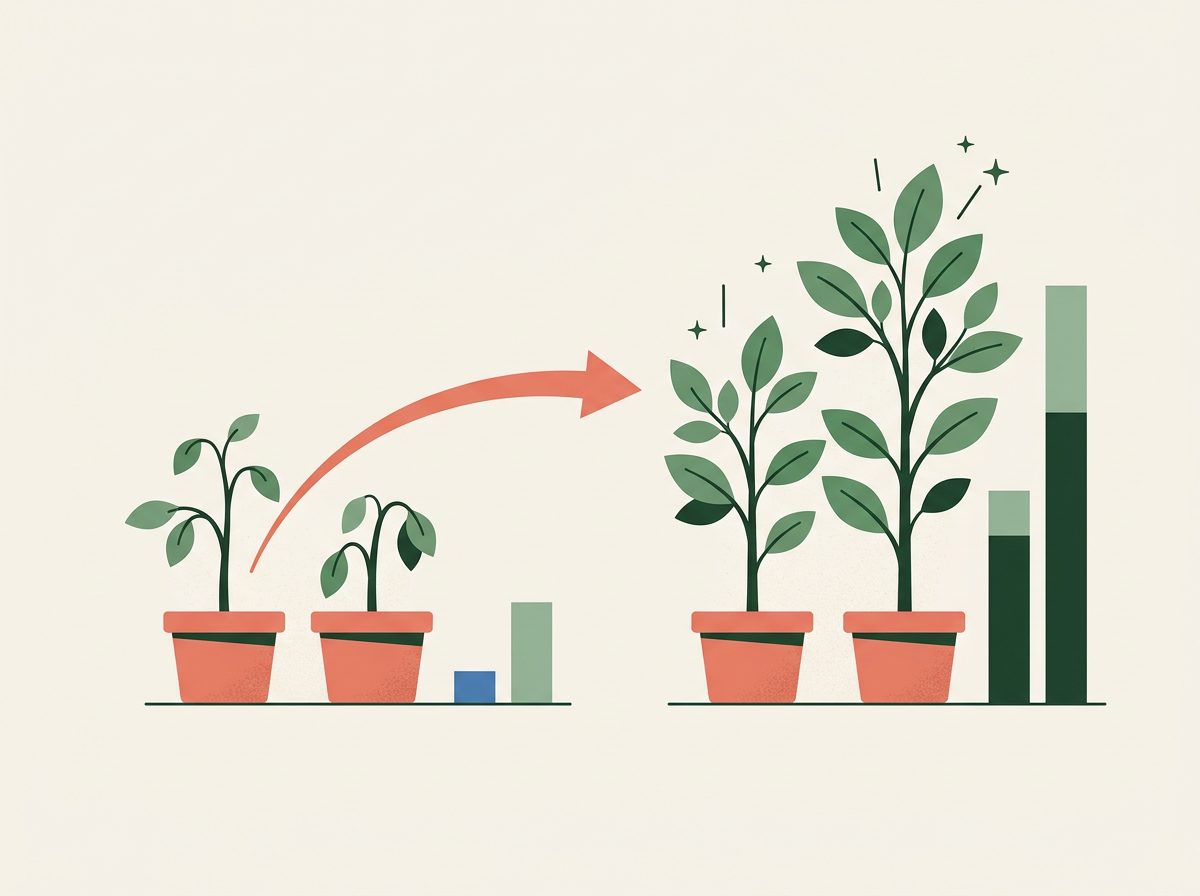
Distance travelled tools are essentially smart, systematic ways to measure the change in a beneficiary's situation between two points in time – typically at the beginning and end of your support, or at key intervals. They help you capture progress that might not be immediately obvious, focusing on incremental improvements in areas like well-being, confidence, skills, or independence. Crucially, these aren't about counting how many people you reach, but about understanding how much better their lives have become because of your intervention.
The good news is that you don't need expensive software or a PhD in evaluation to implement them. This guide will walk you through practical, accessible methods tailored for small UK charities, helping you to confidently showcase the profound journey your beneficiaries undertake with your support.
Key takeaways:
- Distance travelled tools demonstrate the qualitative impact of your work, focusing on individual change over time.
- They are vital for small charities and CICs to prove efficacy to funders and stakeholders without extensive resources.
- The Outcomes Star, WEMWBS, and simple 1-10 scales are accessible and effective options.
- Successful implementation relies on clear goals, consistent application, and ethical considerations.
Why Are Distance Travelled Tools So Important for Small Charities?
In the competitive landscape of charity funding, demonstrating impact is no longer a 'nice-to-have' but a fundamental requirement. Funders increasingly want to see not just what you do, but what difference you make. Traditional outcome measures often focus on hard data – numbers of participants, job placements, or qualifications gained. While valuable, these can sometimes miss the subtle yet significant shifts in a person's life that lead to those larger outcomes.
For many small charities, especially those working in areas like mental health, domestic abuse support, homelessness, or long-term unemployment, the journey itself is the outcome. Building confidence, improving self-esteem, increasing social connections, or developing coping mechanisms are profound changes that can be difficult to quantify. Distance travelled tools provide a structured way to capture these 'softer' or 'hard-to-measure' outcomes, offering a richer, more nuanced picture of your impact.
They empower you to:
- Translate qualitative stories into quantitative data: Give numbers to personal growth.
- Evidence incremental progress: Show how small steps lead to big changes, crucial for beneficiaries on long journeys.
- Improve service delivery: Identify what's working well and where services could be adapted.
- Strengthen funding applications: Provide compelling, data-backed evidence of your effectiveness.
- Boost team morale: Help staff see the tangible results of their dedicated work.
"Even the smallest shifts in a person's well-being or confidence can be life-changing. Distance travelled tools allow us to honour and evidence these journeys, proving our value to those we support and those who fund us."
Popular Distance Travelled Tools for UK Charities
While there's a myriad of tools available globally, certain options stand out for their accessibility, robustness, and suitability for small UK charities. Here are three practical choices:
1. The Outcomes Star™
The Outcomes Star is arguably one of the most widely recognised and respected client-centred outcome measurement tools in the UK. Developed by Triangle with foundations in social work theory, it’s designed to measure and support change for individuals or families using a visual 'star' chart.
How it works: Each Star covers a specific area of work (e.g., homelessness, mental health, family work, young people) and consists of several "scales" (typically 5-10) relevant to that area. Each scale has descriptive statements at points along a 10-point journey, from "Stuck" (1) to "Thriving" (10). A worker and beneficiary collaboratively rate the beneficiary's position on each scale at different points in time. The ratings are then plotted on a star-shaped diagram, creating a visual representation of progress.
Pros for small charities:
- Client-centred: Encourages engagement and ownership from beneficiaries.
- Visually engaging: Easy to understand and track progress.
- Contextual: Different Star versions cater to specific beneficiary groups and issues.
- Robust evidence: Widely accepted by UK funders and commissioners.
- Training and support: Triangle offers comprehensive training and resources.
Considerations: Requires trained facilitators (typically paid training) and a licence fee for use. While there's an initial investment, many charities find it pays for itself in enhanced impact reporting and funding success.
2. The Warwick-Edinburgh Mental Wellbeing Scale (WEMWBS)
The WEMWBS is a public domain instrument designed to measure mental well-being. It was developed by researchers at the Universities of Warwick and Edinburgh and is widely used across health and social care sectors.
How it works: There are two versions: the 14-item WEMWBS and the shorter 7-item SWEMWBS. Participants respond to statements about their feelings and functioning over the past two weeks (e.g., "I've been feeling good about myself") on a 5-point Likert scale (1 = "None of the time" to 5 = "All of the time"). Individual scores are summed to provide a total mental well-being score, which can be tracked over time.
Pros for small charities:
- Free to use: It's in the public domain for non-commercial use, making it highly accessible.
- Standardised and validated: Backed by robust research, giving results credibility.
- Easy to administer: Quick for beneficiaries to complete, either on paper or digitally.
- Quantifiable scores: Provides clear numerical data for reporting on mental well-being.
Considerations: Focuses specifically on mental well-being, so it may not capture all aspects of your service's impact if your remit is broader. Interpretation requires understanding of average population scores, which are available in academic literature.
3. Self-Designed 1 to 10 Confidence Scales
Sometimes the most effective tools are the simplest. Creating your own bespoke 1 to 10 scales can be incredibly powerful, especially for highly niche or person-centred services.
How it works: Identify the key areas of change you want to measure. For each area, ask beneficiaries to rate themselves on a scale of 1 to 10, where 1 represents the lowest point (e.g., no confidence, completely isolated) and 10 represents the highest (e.g., completely confident, fully integrated). It's crucial to define what each end of the scale means, and sometimes provide brief descriptors for key points (e.g., 3 = "starting to try but feeling overwhelmed", 7 = "mostly confident but still has some worries"). Repeat the measurement at different stages.
Pros for small charities:
- Highly flexible and tailored: Design scales that perfectly match your specific service outcomes.
- Zero cost: No licenses or training fees.
- Easy to understand: Simple for both beneficiaries and staff to use.
- Directly relevant: Measures what matters most to your charity and beneficiaries.
Considerations: Lacks external validation, so you might need to robustly explain your methodology to funders. Ensure consistency in how staff introduce and facilitate the scales to maintain data integrity.
| Tool Type | Cost | Key Benefit | Consideration |
|---|---|---|---|
| Outcomes Star | Licence & Training | Client-centred, visual, robust | Initial investment |
| WEMWBS | Free (non-commercial) | Standardised, validated, easy | Focuses only on mental wellbeing |
| Self-designed Scales | Free | Highly tailored, flexible | Lacks external validation |
Implementing Distance Travelled Tools: Practical Steps
Choosing a tool is just the first step. Effective implementation requires thoughtful planning and consistent practice. Here's a practical guide:
- Define Your Outcomes Clearly: Before picking a tool, be absolutely clear about what changes you expect to see in your beneficiaries' lives. What does 'success' look like for them, and for your programme? This will guide your choice of tool or the design of your scales.
- Involve Your Team and Beneficiaries: Introduce the tool to your team, explain its purpose, and ensure they feel confident using it. For self-designed scales, involving beneficiaries in creating some of the language can foster ownership and ensure relevance.
- Integrate into Your Service Journey: Decide when and how you'll administer the tool. Typically, this is at the start (baseline), during, and at the end of the intervention. Make it a natural part of your engagement, not an add-on.
- Ensure Consistent Application: Train all staff who will be using the tool to apply it consistently. For collaborative tools like the Outcomes Star, this means facilitating, not leading, the beneficiary's self-assessment. For self-ratings, ensure the instructions are clear and understood.
- Collate and Analyse the Data: Set up a simple spreadsheet or database to record scores. Calculate average scores, individual progress, and compare baseline to endline data. Look for trends and significant improvements.
- Use the Findings: This is the most crucial step! Use your results to inform service improvements, report to funders, celebrate successes with your team, and show beneficiaries their own progress.
Ethical Considerations and Best Practices
Using distance travelled tools involves asking people about sensitive aspects of their lives. Upholding ethical standards is paramount:
- Informed Consent: Always explain the purpose of the tool, how the data will be used, and assure beneficiaries that their participation is voluntary and will not affect the support they receive.
- Confidentiality and Data Protection: Adhere strictly to GDPR guidelines. Ensure data is stored securely and anonymised where appropriate for reporting.
- Train Staff: Ensure staff are trained not only in administering the tool but also in active listening, empathy, and managing potentially emotional discussions.
- Focus on Empowerment, Not Just Measurement: Frame the use of these tools as a way for beneficiaries to track their own progress and reflect on their journey, not just as a way for the charity to gather data.
- Avoid "Tick-Box" Culture: These tools are most effective when used as part of a meaningful conversation, not as a quick administrative task.
Showcasing Your Impact: From Data to Stories
Once you've collected your 'distance travelled' data, the next step is to translate it into compelling narratives that resonate with funders and stakeholders. Quantitative data (the numbers) provides the credibility, while qualitative stories (the beneficiary's experience) provide the heart.
Combine your average score improvements with anonymised quotes or case studies. For example, "Our programme saw an average 3.5-point increase in beneficiaries' confidence levels, moving them from 'feeling overwhelmed by daily tasks' to 'actively seeking new opportunities.' As *Sarah* shared, 'Before, I couldn't even leave the house. Now, I'm volunteering and looking for a job! The support here changed everything.'"
funders are not just looking for numbers; they want to understand the human impact behind those numbers. By weaving together data from your distance travelled tools with personal testimonials, you can powerfully demonstrate the transformational change your small charity facilitates.
Next steps
Armed with a clearer understanding of distance travelled tools, your next step is to assess which option best fits your charity's specific needs, resources, and beneficiaries. Consider reaching out to other small charities in your network to learn from their experiences, or explore the detailed resources offered by organisations like NPC (New Philanthropy Capital) on impact measurement. Implementing a distance travelled tool doesn't have to be daunting; by starting small, being consistent, and focusing on the voice of your beneficiaries, you can build a robust system to showcase the invaluable impact you make.